
"You Don't Need to Have All the Answers Before You Start"
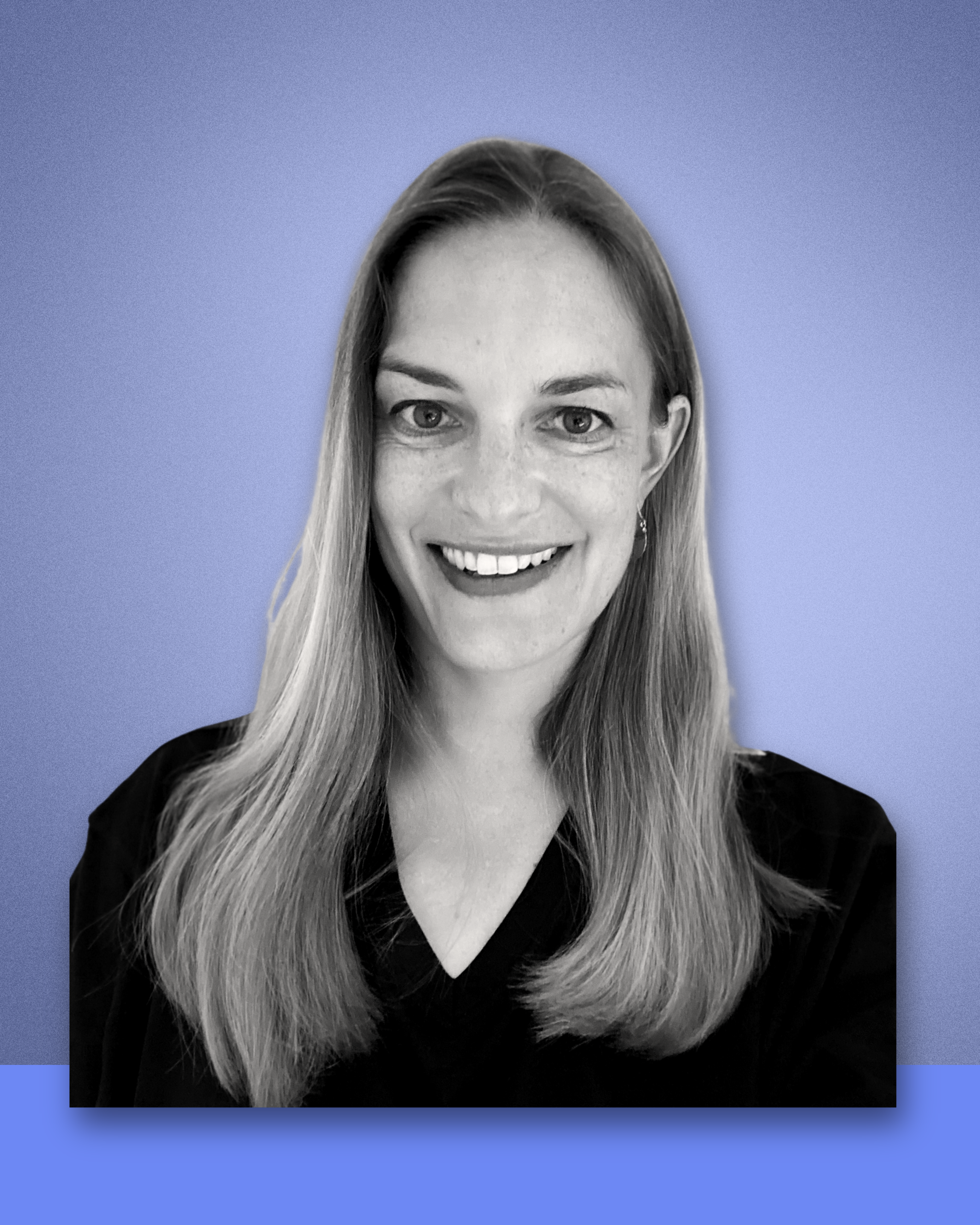

Aurélie Gonzalez spent a decade trying to decarbonise heavy industry from the inside. Then she quit, spent two years searching, and built a direct air capture company almost from scratch. This is what she learned, and what she wishes more people coming into CDR already knew.
When Aurélie Gonzalez founded Yama, a French direct air capture company (DAC) working on an electrochemical approach to CO2 removal, she didn't arrive with a perfectly plotted career path. She arrived with a decade of hard-won experience in heavy industry, a growing frustration with incremental change, and a willingness to start over.
That combination of deep technical grounding, honest self-awareness, and the courage to pivot, turns out to be exactly what this carbon removal industry is looking for. In our first Humans of CDR conversation, Aurélie talked about building a DAC startup from nothing, what she looks for when hiring, and why the biggest thing missing in CDR talent isn't technical skills at all.
From heavy industry to direct air capture: The long way round
Aurélie's route into CDR wasn't a straight line. After training as a chemist and process engineer, she spent nearly a decade working on decarbonisation in the hard-to-abate sectors: cement, steel, the industries that have existed since the beginning of industrialisation. The work mattered. The pace did not.
"After ten years working in big industries, I just discovered it was quite slow. Innovation meant more like optimisation. Small incremental optimisations. So I stopped working for two years to search for something that was making sense for me."
Over the next two years, Aurelie threw herself into entrepreneurship programmes, including Entrepreneur First and Deep Science Ventures, explored algae, dug into electrochemistry, and eventually landed on direct air capture. Not because she had always planned to build a DAC company (she hadn't) but because the combination of factors finally aligned: gigaton-scale potential, a genuinely nascent market, and the freedom to build something new rather than optimise something old.
What's striking about this origin story, and what makes it so relevant for anyone considering a move into CDR, is the honesty about what she didn't know at the start.
"Honestly, before starting to really create the company, I didn't know much about it. I had to learn during one or two years around carbon dioxide removal before jumping into that market."
If the founder of a DAC company had to figure it out as she went. So can you.
What Yama actually looks for when hiring

Yama is at an early but pivotal stage: they've reached TRL 7, have a pilot running, and are currently in fundraising mode ahead of building their first-of-a-kind plant, targeting over 40,000 tonnes of CO2 per year by 2030. Hiring at this stage is its own discipline.
When asked about the talent gap she worries about most, Aurélie's answer was not what you might expect from a deep-tech founder.
"I'm not so worried about talent to be frank. There are a lot of smart people outside. What is missing is more this entrepreneurship mindset. It's not a hard skill that is missing, it's more like a soft-skill mindset. Trusting that you can make a difference. Trusting that you're special, you can bring something special."
She is equally direct about the gap that can show up when people come from academia: not a lack of intelligence, but a difference in operating rhythm. Startups run on compressed timelines, limited budgets, and decisions made with incomplete information. That's a jarring shift for researchers used to the long cadence of academic work.
"We're not here to write papers. We're here to deliver a product on time and you will have to [make] decisions with limited information. Cash is burning. We have a date."
Crucially, she doesn't think this mindset is fixed. She believes it can be taught, and actively tries to teach it.
"I think you can teach it. I think you can change your mind. I've been changing my brain. I had so many limiting thoughts before and I have much less, every day less. It's a practice."
You don't need CDR experience to work in CDR
This is one of the most directly useful things Aurélie said for anyone job-hunting in this space: not having CDR experience on your CV is not the barrier you think it is, at least not on the technical side.
She gave a concrete example: if you've spent your career working with polymers and membranes, and Yama uses membranes, your skills translate. What matters more than sector-specific knowledge is whether you can move at startup speed and think independently.
The one area where prior CDR exposure does add real value, she noted, is in commercial and partnership roles, where knowing how the value chain works, who the buyers are, and how carbon crediting functions genuinely accelerates your contribution.
She also had practical advice on how early-career candidates can get a foot in the door: internships as a genuine discovery mechanism, not just a CV line. One of Yama's current key hires started as a six-month intern, used the time to learn everything from the technology to the business model, and became Aurélie's right hand.
What diversity would actually change
Yama has more than 50% women on its team. Unusual in a sector that is still heavily male and heavily engineering-led. Aurélie is deliberate about this, and clear-eyed about why it matters beyond optics.
"The enemy is not us, it's the rest of the world. It's the money that is flowing through AI and other sectors. Women much more have this mindset of: we can execute, but we can also collaborate."
She pointed to something structural that works in CDR's favour: unlike the heavy industries she came from, the buyers of carbon removal (hyperscalers, large tech companies) already have significant gender diversity in their leadership. That creates a different kind of relationship at both ends of the value chain.
CDR, she argues, has a rare window. It is new enough that the cultural defaults of older industries haven't fully set in. But that window won't stay open indefinitely.
The career advice that stuck
We ended the conversation by asking Aurélie for the best piece of career advice she'd ever received. She didn't hesitate.
"My first manager told me: stop saying yes. Stop saying yes. Because if you say yes, yes, yes, absorb it, and at the end of the day fail to deliver, this is when people are going to be angry."
It's advice she now actively passes on to her own team, particularly to younger hires who arrive with the instinct to say yes to everything. Boundaries, she argues, aren't just about self-preservation, they're about delivering well on the things that actually matter.
The takeaway for anyone considering CDR
Aurélie's story is not the story of someone who always knew they would end up here. It's the story of someone who spent years in the wrong environment, had the honesty to admit it, took a significant risk, and built something meaningful on the other side.
The CDR sector is full of people who found their way here via unexpected routes. What they share, more often than not, is not a specific degree or credential. It's a willingness to learn fast, work with uncertainty, and believe that what they're building is worth the difficulty.
If that sounds like you, Aurélie's message is pretty simple: You're already most of the way there.
--------------------------
Humans of CDR is a series by CDRjobs featuring the people building and working in the carbon removal industry. If you'd like to be featured or know someone who should be, get in touch.


Comments