
From a Childhood Hunch to a Career in Carbon Removal
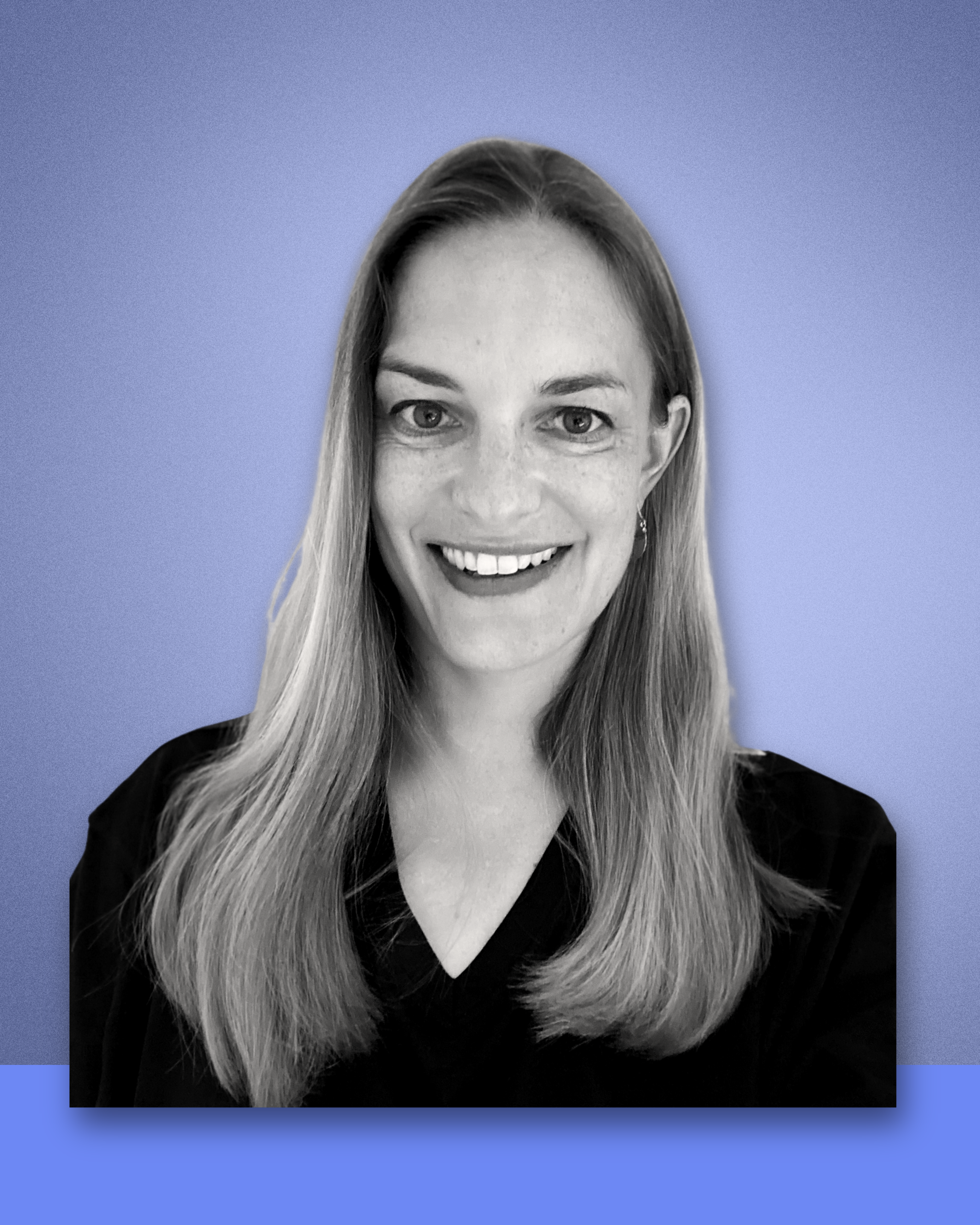

Alex Kim always knew he wanted to work in carbon removal. But knowing where you want to go and knowing how to get there are very different things. Now a Climate Analyst at Supercritical in London, he walks us through his CDR journey. The childhood realisation, the degree that didn't quite prepare him, and the months of relentless networking.
Most people who find their way into carbon removal arrive via a winding road. A career pivot, an unexpected PhD, a growing frustration with how slowly other sectors move on climate.
Alexr Kim is not most people. His story starts at age ten.
Age 10: a hunch that turned into a career goal
“I got into CDR because when I was a kid, I learned about climate change and I wanted to be part of the solution.”
That’s how Alex puts it. Simply and without embellishment. Growing up next to a river, spending time camping, developing an early instinct for the environment. The climate crisis felt personal, long before it became professional. But what set him apart wasn’t just caring about the problem. It was a specific logical leap that most adults haven’t made, let alone children.
“I remember in my first science classes learning about climate change and greenhouse gases, and I just assumed there would be an industry that removes those gases from the air. I didn’t know anything technically about CDR, I just knew that general industry probably existed and that that was what I wanted to do.”
He saw CDR not as a niche corner of the climate space but as the logical completion of everything else. The step that addresses not just future emissions but the damage already done.
“Decarbonising doesn’t really touch the things that have happened in the past. I saw CDR as that crucial additional step to actually reverse it.”
What changed over the next decade was his understanding of *how* to actually get there.
University: useful background, not a direct path
Alex started at UC Berkeley studying Chemical Engineering. About eighteen months in, he switched to Environmental Engineering Science, not because his ambitions changed, but because the coursework wasn’t taking him where he needed to go. Too physics-heavy, not enough environmental science.
The switch gave him a better mix. But it didn’t give him CDR.
“My education probably did not prepare me that much for a role in CDR. None of those classes actually said CDR or taught about CDR. I took classes on carbon cycles, ocean chemistry, earth sciences. Things that give you general background knowledge. But I didn’t really learn about specific CDR pathways or the voluntary carbon market until after I graduated, when I started doing my own reading.”
Alex’s experience is almost certainly not unique. CDR is not yet a taught discipline. Even the most relevant degrees may orbit around it without landing on it. His advice to students trying to break into CDR? It actually had nothing to do with CDR-specific knowledge.
“Learn how to break out of the mindset of being a student. In school, everything is formulaic: you get an assignment, you do the work, you turn it in, you get graded. That’s probably not what it’s going to be like in this industry. You have to independently own your tasks. Know when to loop someone in. Work with uncertainty. Start things without knowing what the right answer looks like at the end.”
The good news: you don’t need a CDR internship to develop this. A research lab, a side project, anything with real stakes and no marking rubric. The goal is to practise the workflow before you’re being paid for it.
To get that CDR knowledge, Alex delved into the AirMiners Bootup as a starting point, a lot of independent research, and something that would prove more valuable than any coursework: talking to people already working in the field.
The job search: ditching applications and going all-in on people
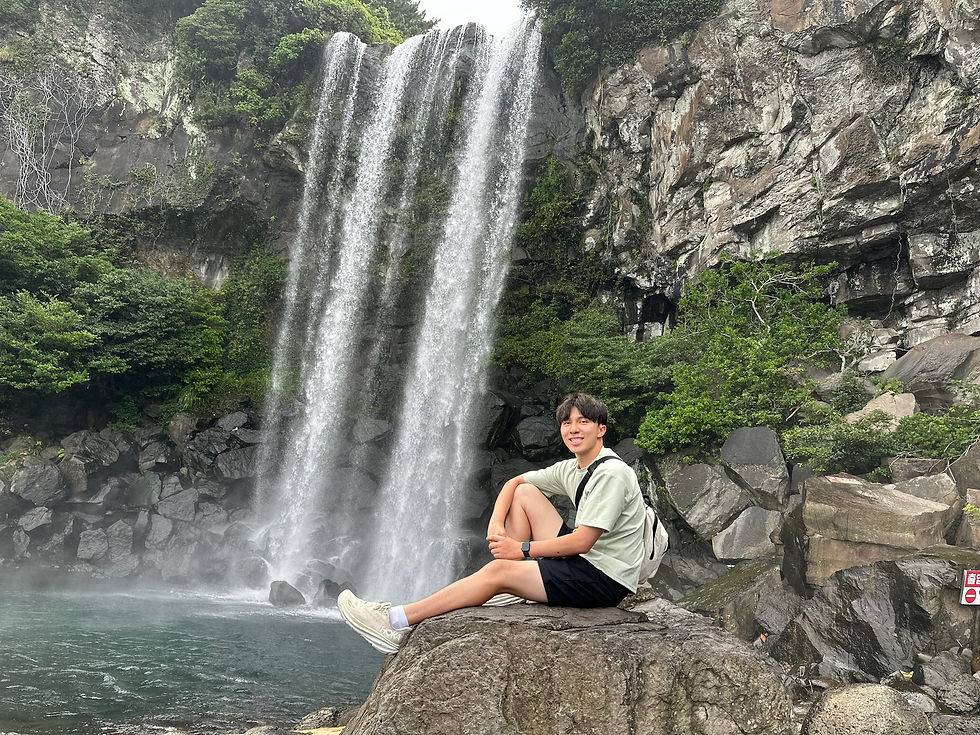
His first month after graduating followed the standard playbook: mass-applying to anything vaguely relevant on LinkedIn. It didn’t work. The roles weren’t specific to CDR, job titles were inconsistent, and scattering applications widely meant not putting his best self forward in any of them.
So he changed his approach entirely. Instead of chasing job postings, he started chasing conversations.
“I was probably hitting the LinkedIn connection request limit every week, about 200 requests. Around a hundred would connect with me. Then 10 to 20 of them would be open to a call. So I was having 10 to 20 conversations a week for about two months.”
That amounted to upwards of 200 one-to-one conversations. For someone who freely describes himself as, “a pretty shy person”, it’s a remarkable commitment. Even his friends were reportedly shocked at his approach. A useful reminder that confidence and initiative are not the same thing. You don’t have to feel comfortable doing something. Just do it anyway.
He found the CDR community receptive. People in this industry tend to be in it because they care, and that turned out to make them more willing to give time to someone who clearly cares too.
His first CDR role came directly from that networking push. When the contract ended, he started again.
"Networking is how I ended up where I am. You never know what could come from a 15-minute call. When I reached out to a few members of the Supercritical team, I had no idea they were hiring. I reached out, they told me they were hiring for someone like me and here I am."
Using CDRjobs as a research tool, not just a job board
One thing Alex is clear about: finding CDR roles through general job platforms is genuinely hard, and not just because there are fewer of them. The titles don’t match. His own role, “Climate Analyst”, could be called something entirely different at another company doing similar work.
“The bigger way I used CDRjobs was that it showed me which companies were hiring in CDR. Then I could go on LinkedIn, find the company, and start reaching out to people there. I used it as a means to filter out specific companies I’d want to talk to. A hit list, basically.”
The job board as a research tool rather than an application portal. A small shift in how you think about it, but it changes what you do with it entirely.
Forging your own CDR path
Alex’s path is useful precisely because it doesn’t follow the script. He knew what he wanted from the age of ten, and it still took years of wrong turns, a degree that didn’t quite land, and hundreds of uncomfortable conversations to get here.
CDR doesn’t have an established pipeline yet. There’s no degree that sends you directly here. No graduate scheme waiting at the end. What it has is people who figured it out anyway. People who are generally willing to talk to the next person trying to do the same.
Alex is one of those people now. The path he took was his own. But the way he walked it is something anyone can learn from.
--------------------------
Humans of CDR is a series by CDRjobs featuring the people building and working in the carbon removal industry. If you'd like to be featured or know someone who should be, get in touch.

Comments